

Can I Get Compensation for PTSD After a Car Crash?

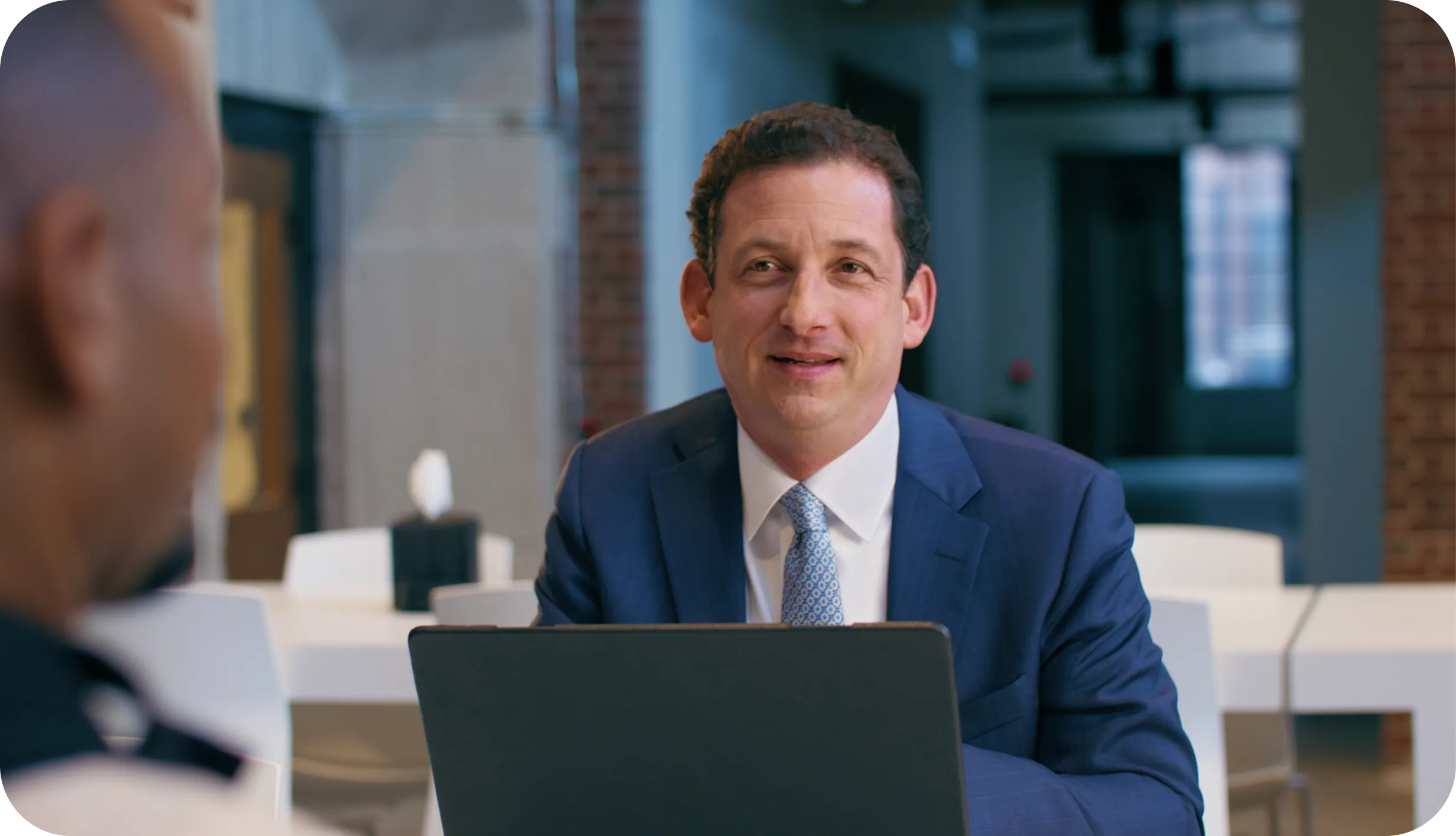
Meet The Lee Steinberg Law Firm
A car or truck accident can be one of the most traumatic things a person can experience. Even if the injuries are minor, scary thoughts and flashbacks about the crash can linger for a long time. These symptoms could be post-traumatic stress disorder, or PTSD. Call the Michigan PTSD car accident lawyers at the Lee Steinberg Law Firm to get more information on these intricate cases.
What is Post-Traumatic Stress Disorder (PTSD)
According to the Mayo Clinic, post-traumatic stress disorder (PTSD) is a mental health condition that is caused by a highly stressful or terrifying event, either being part of it or witnessing it. Symptoms may include flashbacks, nightmares, severe anxiety, and uncontrollable thoughts about the event.
Most people who go through traumatic events may have a hard time adjusting and coping for a short time. However, with time and proper care, they usually improve. If the symptoms get worse, last for months or years, and affect their ability to function daily, they may have PTSD.
Where Did the Term PTSD Come From?
The term PTSD originated in the military and is used to describe a psychiatric disorder characterized by recurrent and intense flashbacks and memories, hyperarousal, and avoidance.
Studies of PTSD greatly expanded after the Vietnam War as combat veterans came back from the war with these symptoms. Since then, other populations such as sexual assault victims, adult abuse survivors, and survivors of disasters have been studied. The term PTSD was first introduced in the DSM-III (Diagnostic and Statistical Manual of Mental Disorders – 3rd Edition) in 1980.
What are the Physical Symptoms of PTSD?
PTSD symptoms compose of physical and emotional reactions. They can include:
- Being easily startled or frightened.
- Always being on guard for danger.
- Self-destructive behavior, such as drinking too much or driving too fast.
- Trouble sleeping and concentration
- Irritability, angry outbursts, or aggressive behavior.
- Physical reactions, such as sweating, rapid breathing, a fast heartbeat, or shaking.
When Does PTSD Appear?
PTSD can manifest itself in several ways. First, it can include intrusive memories of the traumatic event that repeat themselves over and over in your head. When a person relives the traumatic event as if it were happening again, this phenomenon is known as a flashback. Stress, anxiety, or specific events can remind the brain of the event, causing PTSD symptoms to occur.
Can a Car Accident Cause PTSD?
Yes. According to scientific studies, car crashes are the leading cause of PTSD in the general population. In fact, reports of PTSD by car crash victims range from 8% to 46%. Naturally, a person’s background can make them more susceptible to experiencing PTSD symptoms.
Is PTSD a Factor After a Michigan Car Crash?
PTSD is an important factor in all car accident crashes. PTSD falls under the category of “pain and suffering” or non-economic damages.
However, to recover non-economic damages in a Michigan car accident, the injured person must prove they experienced a bodily injury. This means there must be a physical injury or impairment to receive money after a car accident. Treatment for PTSD or mental therapy is not enough by itself.
What is the Law for PTSD and Michigan Car Accidents?
Under Michigan law, an injured person receives compensation for pain and suffering, like PTSD, if they suffered a “serious impairment of body function.” This term is defined by statute, specifically MCL 500.3135(5).
Because a serious impairment of body function is required, an injured person must show more than just PTSD to get compensation from a car crash in Michigan. Instead, the injured person must show they were physically injured. Just having PTSD is not enough.
According to the law, the physical injury must meet these criteria:
- The impairment to body function is objectively manifested, meaning it is visible on an X-ray, MRI, CT scan, or observable by another person (such as muscle spasms).
- The impairment must be to an important body function.
- The impairment affects the injured person’s general ability to lead his or her normal life. This does not require a permanent injury, only that the impairment had an influence on some of the person's capacity to live in his or her normal manner of living.
In other words, an injured person with PTSD from a car or truck crash must also have medical treatment for an injured back, ankle, neck, or some other part of the body. Having mental and emotional distress due to PTSD by itself will not get you compensation.
Does a Concussion or Headache Count as a Body Injury?
Yes, a concussion involves an injury to the brain. Headaches can also be a result of a physical injury. Treatment related to a concussion is very common after a car crash in Michigan. For individuals who have PTSD, headaches, and concussion-like symptoms, these symptoms are sufficient to claim pain and suffering compensation.
Who Pays for PTSD Treatment After a Michigan Car Accident?
It depends. If you have private health insurance, like Blue Cross Blue Shield of Michigan, HAP, or Priority Health, these carriers may be first in line to pay medical expenses, including treatment for PTSD.
However, after a car accident, injured people can sometimes make a claim for first-party no-fault benefits through their auto insurance company. These benefits include payment of doctors’ bills, hospital expenses, rehabilitation, prescription drugs, therapy, and other medical treatments.
There is an order in which the auto insurance company must pay your medical bills. Under MCL 500.3114(1), when a collision occurs, the order for who pays first-party no-fault benefits is usually the following:
- Your own auto insurance
- Resident relative (a resident relative is not a live-in boyfriend or girlfriend, but is a spouse or typically a blood relative)
- Michigan Assigned Claims Plan (MACP)
If you or a loved one has any questions about which car insurance company should pay, please call our office toll-free at 1-800-LEE-FREE (1-800-533-3733). We are here to help and we can make sure your benefits get paid.
Schedule A Free Consultation with our PTSD Car Accidents Lawyers
Time is limited—you have 3 years to sue for pain and suffering and 1 year to claim no-fault benefits. Don’t wait. Evidence fades, and delays can cost you your case. The attorneys at the Lee Steinberg Law Firm will protect you and stand by your side throughout the case. We will fight for the monetary compensation you are entitled to by law.
At Lee Steinberg Law Firm, there’s no fee unless we win. Schedule a free consultation today by calling 1-800-LEE-FREE (1-800-533-3733) or filling out our contact form. We’re here to fight for your rights and your future.