

Lansing Car Accident Representation - Choosing Attorneys Skilled In Michigan Traffic Laws

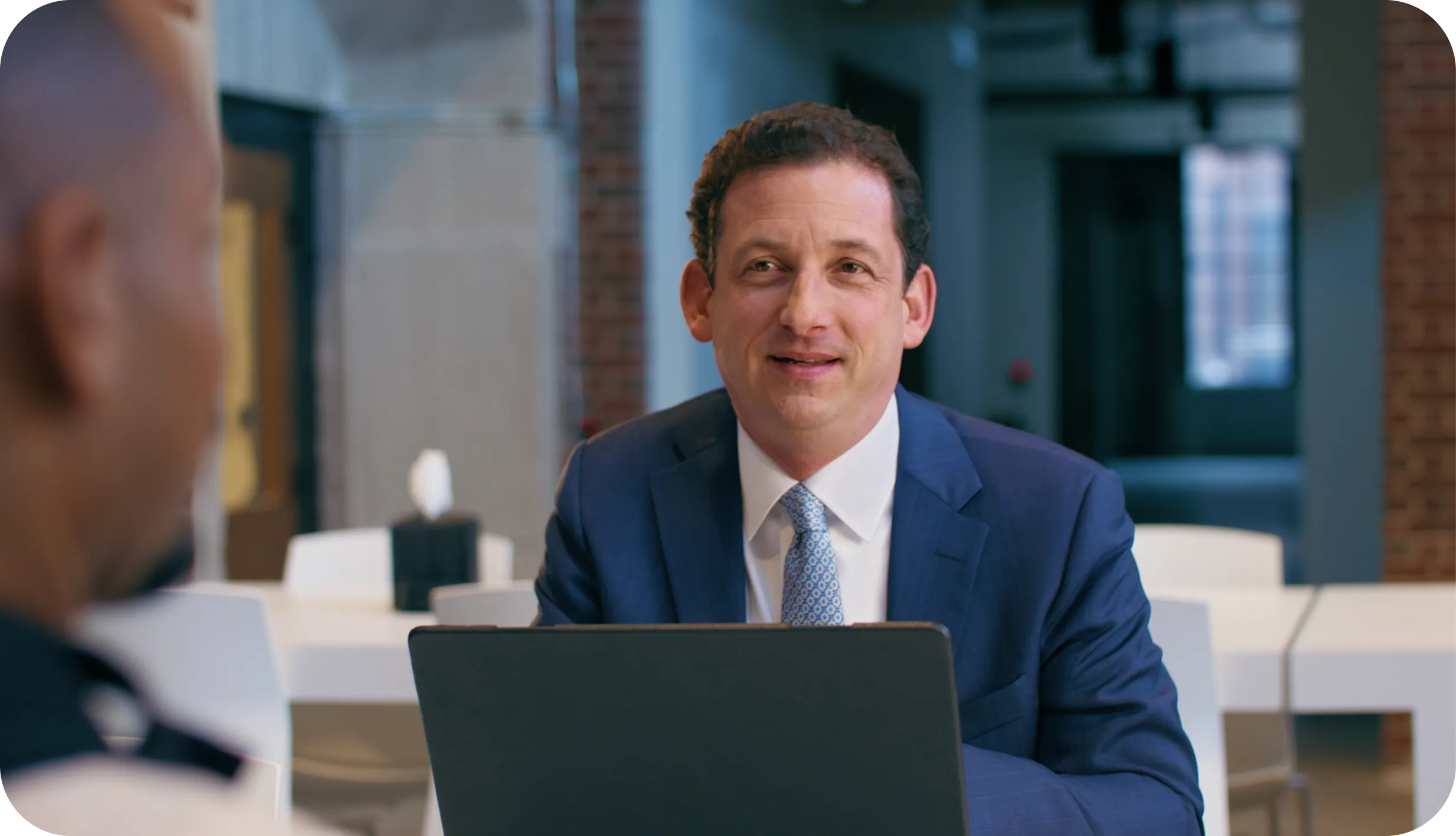
Meet The Lee Steinberg Law Firm
When a crash happens on I 496, US 127 or a busy Lansing surface street, the police report will focus heavily on who broke which traffic law. Those same Michigan traffic laws drive what insurers pay, how fault is assigned and whether you can file a lawsuit for pain and suffering.
Because Michigan uses a no-fault auto insurance system, every serious crash is a mix of insurance contract rules and state traffic statutes. The law changed in 2020 to let drivers choose different PIP medical limits, but Michigan remains the only state where unlimited PIP medical coverage is still available.
For more than 50 years, the Lee Steinberg Law Firm has handled Michigan car accident cases under these rules, resolving thousands of personal injury claims and recovering hundreds of millions of dollars for clients statewide. The firm serves cities across Michigan, including Lansing, Ann Arbor, Grand Rapids, Livonia and Warren.
QUICK SUMMARY: LANSING TRAFFIC LAWS & LIABILITY
- Basic Speed Law: You must drive at a speed safe for conditions (snow/ice), regardless of the limit.
- Comparative Fault: You can sue for pain and suffering even if you were partially at fault (up to 50%).
- Seat Belts: Failure to wear one may reduce your damages, but it does not bar your claim.
- Distracted Driving: It is illegal to hold a phone while driving in Michigan (Hands-Free Law).
Why Do Michigan Traffic Laws Matter So Much After A Lansing Car Accident?
Traffic laws do more than decide who gets a ticket. They help determine:
- Who is legally at fault for the crash
- Whether you can sue for pain and suffering in addition to no-fault benefits
- How much your compensation is reduced if you share blame
Michigan follows a modified comparative negligence system. If you are more than 50 percent at fault for the crash, you cannot recover non economic damages like pain and suffering. If you are 50 percent or less at fault, you can recover damages, but the amount is reduced by your percentage of fault.
That fault calculation is built on evidence of traffic law violations by each driver. For example:
- Speeding or driving too fast for conditions
- Failing to yield at a light or stop sign
- Following too closely
- Texting or using a handheld phone while driving
- Not wearing a seat belt
Some Michigan statutes even tell courts how violations affect civil damages. The safety belt law allows a judge or jury to treat not wearing a seat belt as evidence of negligence and to reduce an injured person’s damages for that reason.
How Does Michigan No Fault Insurance Shape My Lansing Car Accident Claim?
Every vehicle registered in Michigan must carry no-fault auto insurance that includes three main parts:
- Personal Injury Protection (PIP): Pays your reasonable and necessary medical expenses, plus wage loss and replacement services after a crash.
- Property Protection Insurance (PPI): Pays up to $1 million for damage your car causes in Michigan to other people’s property.
- Residual liability (BI/PD): Protects you if you are sued for serious injuries, death or certain property damage.
Since July 1, 2020, Michigan drivers can choose different PIP medical limits, including unlimited, $500,000, $250,000 and in some cases $50,000 or an opt out.
What This Means In A Lansing Case
After a Lansing crash, there are usually two separate paths:
- Your PIP claim: You seek PIP benefits from the correct auto insurer for medical bills, wage loss and related expenses, even if you were at fault.
- A possible third party lawsuit: If another driver was at fault and your injuries meet Michigan’s “serious impairment of body function,” permanent serious disfigurement or death thresholds, you may sue for pain and suffering and certain excess economic losses.
Which Michigan Traffic Laws Most Often Affect Car Accident Claims In Lansing?
Statewide traffic rules apply in Lansing just as they do in Detroit or Grand Rapids, but they play out on local roads like Saginaw Highway, Cedar Street and Grand River Avenue.
Michigan Basic Speed Law
Michigan’s basic speed law requires every driver to operate at a careful and prudent speed that is reasonable for traffic, road surface, width and other conditions, and to drive only as fast as allows a safe stop within the assured clear distance ahead.
- Practical impact: Winter crashes on I 96 often involve this law. Showing the other driver failed to adjust speed for snow or ice can strengthen your negligence case.
Seat Belt And Child Restraint Rules
Michigan has a primary seat belt law. Drivers and front seat passengers must be buckled, and children 8 to 15 must wear seat belts in all seating positions. For younger children, separate child restraint rules apply based on age, height and weight.
- Practical impact: You can still bring a claim if you were not wearing a seat belt, but the defense may argue to reduce your award based on nonuse.
Hands Free Cell Phone And Distracted Driving Law
In 2023, Michigan made it illegal for drivers to hold or manually use a cell phone or other mobile electronic device while operating a vehicle. Even a mounted phone cannot be manually operated beyond a single touch.
- Practical impact: If the other driver was on a handheld phone, that violation strongly supports a negligence claim.
Pedestrian And Crosswalk Rules
Under Michigan’s traffic signal rules, pedestrians facing a “walk” signal have the right to proceed and drivers must yield.
- Practical impact: In downtown Lansing or near Michigan State University, many serious cases involve crosswalk impacts. Police and insurers will look at who had the right of way based on signals.
If I Was Ticketed Or Partly At Fault, Can I Still Recover Compensation?
Yes. Michigan law rarely treats a single ticket as the final word on fault.
- PIP Benefits: Your right to PIP benefits does not depend on who caused the accident.
- Third Party Claims: For lawsuits seeking pain and suffering, Michigan’s modified comparative negligence rule applies. If you are 50 percent or less at fault, you can still recover, but your damages are reduced by your percentage of fault.
How Can Breaking A Traffic Law Hurt My Claim Even If The Other Driver Was At Fault?
Insurance companies routinely comb police reports for any violation they can pin on you to argue you share the blame. They push for a higher fault percentage to reduce what you can recover.
An attorney who works with Michigan traffic statutes every day will not accept the police report at face value. They will reconstruct the crash and examine whether the violation actually contributed to the crash.
How Do Attorneys Skilled In Michigan Traffic Laws Build A Strong Lansing Case?
When traffic laws are central to your claim, you want lawyers who are as comfortable reading the Michigan Vehicle Code as they are negotiating with adjusters. This involves:
- Reading the crash through the law.
- Tracking how those laws affect fault and damages.
- Coordinating no fault and negligence claims.
- Preparing for litigation from day one.
How Is The Lee Steinberg Law Firm Positioned To Handle Lansing Car Accident Cases?
The Lee Steinberg Law Firm focuses exclusively on representing injured people in Michigan. The firm has handled car, truck and motorcycle crash cases under Michigan’s no fault system for more than five decades.
Key points for Lansing cases:
- Michigan specific focus: The firm represents only injury victims and handles personal injury, auto negligence and no fault matters throughout the state.
- Deep no fault experience: The firm’s resources are built around Michigan’s no fault law and PIP benefits.
- Statewide reach: Offices and service across Michigan, including Lansing and Ann Arbor.
- No fee unless the firm wins: The firm works on a contingency fee.
- Free consultation: You can request a free case evaluation online or by calling 1-800-LEE-FREE (1-800-533-3733).
What Should I Do Now If I Was Hurt In A Lansing Car Accident?
If you were injured in a crash in Lansing or nearby, you can protect your rights by:
- Getting immediate medical care.
- Reporting the crash to your auto insurer promptly.
- Keeping copies of all medical bills and records.
- Preserving photos and video.
- Talking with an attorney who understands Michigan traffic and no fault laws as soon as possible.
The Lee Steinberg Law Firm offers free consultations and charges no fees unless the firm wins or settles your case. To discuss how Michigan traffic laws apply to your Lansing crash, you can call 1-800-LEE-FREE (1-800-533-3733) or submit an online request on the firm’s website.